


When AI meets IP
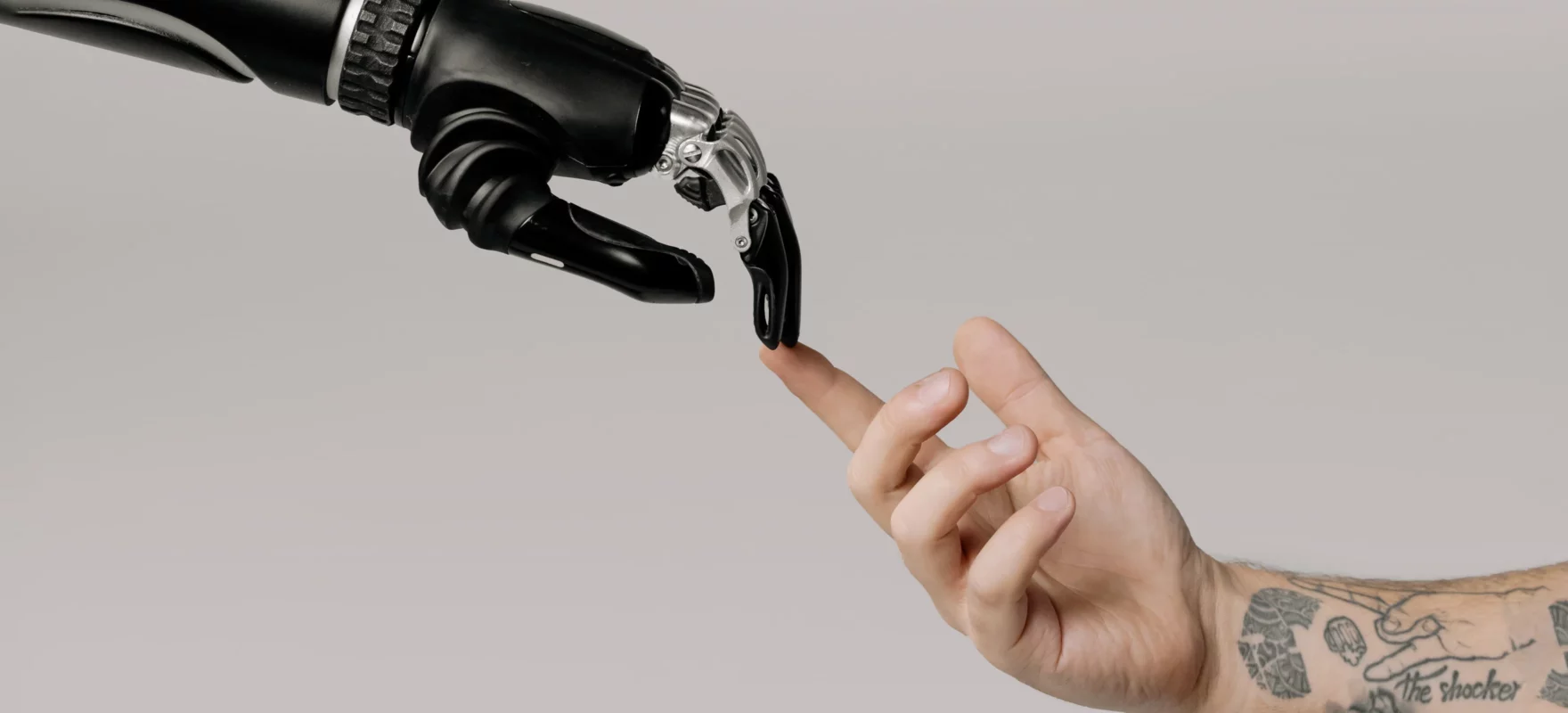
Julius Stobbs, founder of intellectual property specialists Stobbs, sets out some of the key challenges that AI presents to brands and the world of IP, in the battle for originality.
AI – real AI – is incredible technology. ChatGPT (and other similar ‘machines’) are already amazing in terms of their ability to mimic the approach of a human mind and process information. And these machines will only get better as more investment and effort is put into them.
Ethical and moral issues are raised of course, and they should be debated. But what of the impact on IP? In its most basic form intellectual property exists to protect originality. A new and original product, work, technical innovation, brand. But in a world dominated by AI what happens to that originality?
“People can still innovate and protect and own that innovation. But will they?”
People can still innovate and protect and own that innovation. But will they? If questions, even non-factual ones, are increasingly being answered by the machines, will there still be a role for originality? If a machine can create a new artwork, or invent a product to solve a specific problem or write a song, why would a person do it?
The intellectual property system will have many challenges in this area over the coming years. Some are being addressed as I write but none are yet fully resolved:
- In providing a copy of protected works to an AI machine to ‘train’ it, are the rights in those underlying works being infringed?
- When a machine creates a new work that is similar to another protected work, does that new work infringe the underlying rights?
- If so, who has infringed?
- If a machine creates a new work, who should be deemed to own it?
“Throughout the ages our ability to create has constantly changed and evolved. … Is this just another stage in the evolution of originality?”
As the machines improve in their ability, I can see that this could likely undermine our ability to think in an original way. As a creative person I don’t think that is a positive end result. But is this the wrong way to look at it? Throughout the ages our ability to create has constantly changed and evolved. Our originality in modern innovation and art is very different now than it was even a generation ago. Is this just another stage in the evolution of originality?
Will new originality be about how AI machines are used and instructed to create? Will originality truly sit in the questions we are creating rather than the answers? Either way the current system of intellectual property will be significantly tested and will have to evolve itself to function in the new world.