


Festive branding with a bang.
John McCarron, 19 December 2022
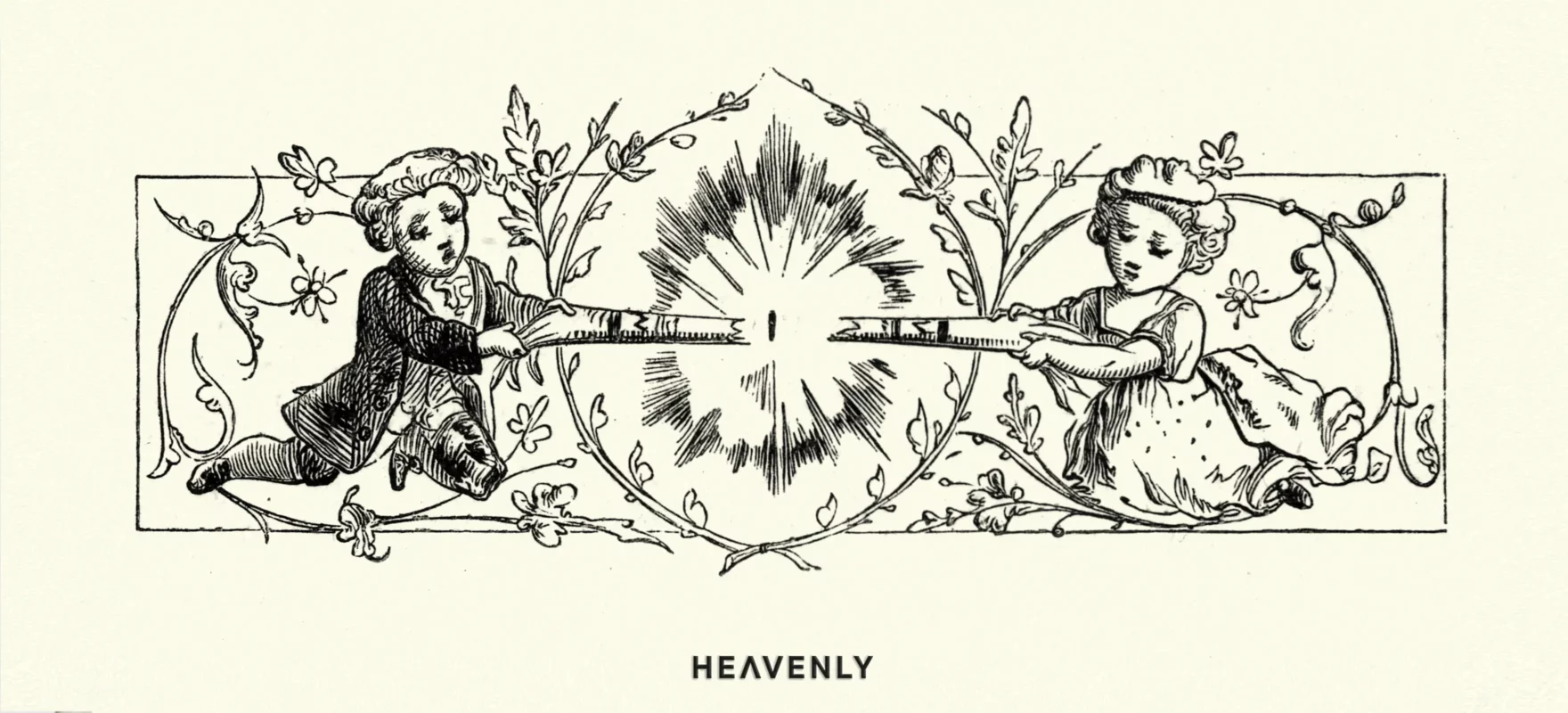
It’s 1847 and you’re a confectioner looking for a way to market your sweets in the French style: wrapped in paper. Your brother – a fan of music hall magic tricks – has an idea. Why not include a tiny explosive element that will go off when the ends of the paper are pulled apart? Genius! Now all you need is a name. Tom Smith christened the cracker ‘Bangs of Expectation’; what we naming types call a ‘descriptive’ and ‘experiential’ name. Paper hats, wince-worthy jokes and miniature screwdrivers may have replaced the original almond sweets, but the cracker – and Smith’s firm – are still with us, purveyors of Bangs of Expectation to families Royal and regular.
“Like many Christmas traditions, the cracker is a relative newcomer.”
Like many Christmas traditions, the cracker is a relative newcomer. You may have the Romans to thank for wreaths and fruitcake, but we’ve only been hanging our stockings up since 1823 and sending each other festive cards since 1843. So when does ‘new’ become ‘original recipe’? The value of heritage to a brand depends on its category. When M&S chose to promote its 125th anniversary, it doubled down on many shoppers’ perception of their out-of-touch fashion sense. For financial brands like our client F&C Investment Trust, promoting their longevity (established 1868, after the cracker but before the advent calendar) spells solidity and reassurance.
Piggybacking tradition can make brands an integral part of their customers’ lives at times of celebration. Santa’s red suit being the invention of Coca-Cola may be a myth, but who could resist the wit of Jif Lemon’s attempt to own Shrove Tuesday with its campaign ‘Don’t forget the pancakes on Jif Lemon Day’. And no Japanese Christmas day is complete without a visit to Colonel Santa for a yuletide KFC. The talent, as always in branding, is to be authentic and – like Tom Smith’s Bangs of Expectation – look not to exploit the opportunity but to add to the experience.