


A view from the new.
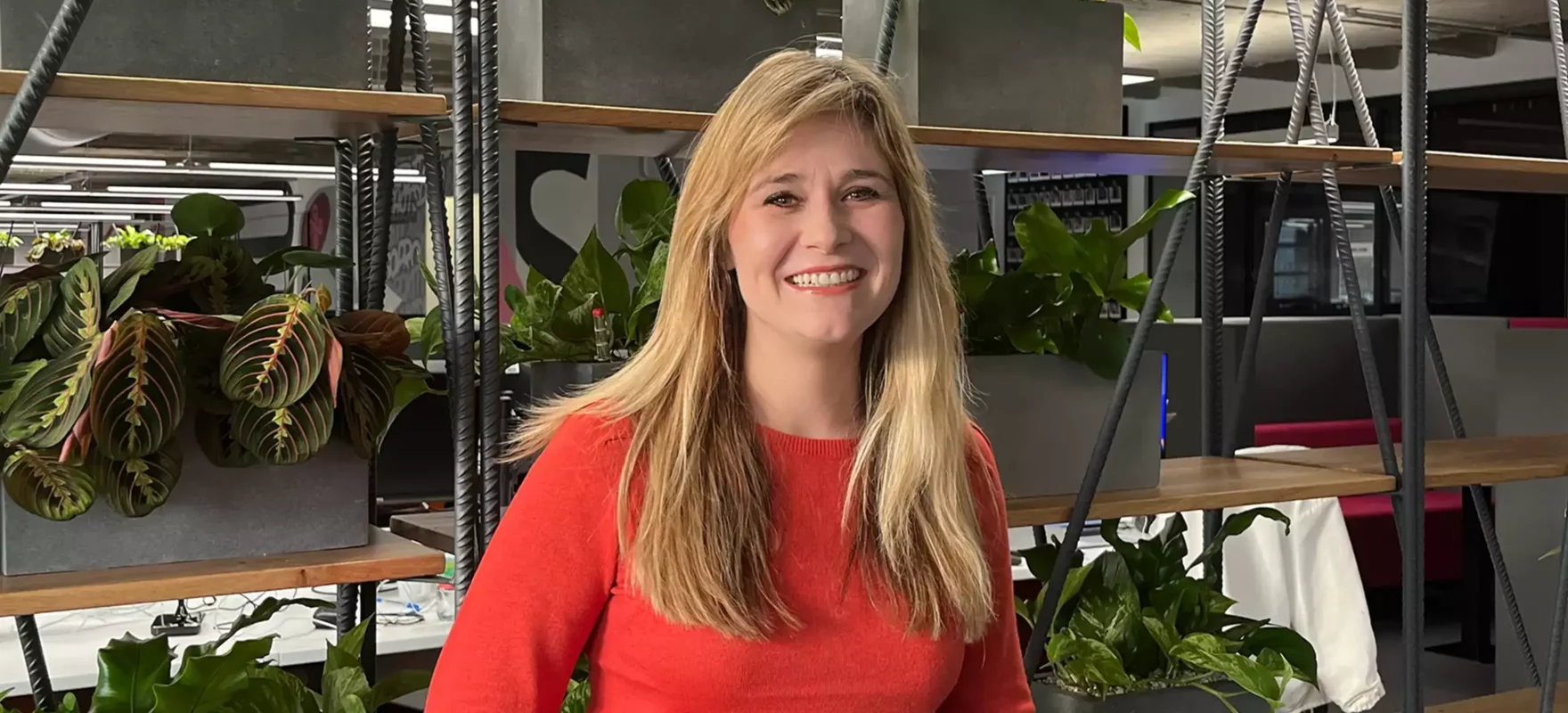
Sheila Morrison, 11 January 2023
Hi, I’m ‘new’ here.
When Heavenly asked me to write this article, it got me thinking about what it means to be ‘new.’ Yes, I’m ‘new’ at Heavenly, but there has been a lot of other ‘newness’ in my life. I’m a ‘new’ and first-time mother to a cheeky little boy named James. I’m also a ‘newly’ bereaved daughter with only one remaining parent. Both my parents have battled cancer; unfortunately, for Papa James, the cancer won.
So, when I started working on a project for MMB, Mercer Marsh Benefits, the content hit pretty close to home. Preventative cancer screenings, mental health support, and empathy for employees’ emotional well-being are all high on employers’ 2023 benefit agenda. Funnily enough, they are high on my agenda too.
“This isn’t about the stats. These are real people with real stories. We have to start with their needs.”
Like any good strategist, I started grinding through the data as soon as I received the clients’ documents. I summarised the key findings and stats and prepared my thoughts for our first internal brainstorm. I started to go through my presentation and then Richard, our CEO, said “This isn’t about the stats. These are real people with real stories. We have to start with their needs.”
I felt like I had run into a brick wall. ‘Why the hell didn’t I start with the need-states?’ I asked kicking myself. ‘What a rookie error.’ Then, as I mulled over how I could have better prepared for the workshop, I realised I didn’t start with the need-states because it was emotionally easier not to.
I then went back to a presentation image that had struck me – an infographic of an iceberg as a metaphor for mental health. Beside the tip of the iceberg, it read ‘what you see above the surface’ with points like ‘sickness absence,’ ‘disability claims,’ ‘poor employee engagement.’ ‘Problems lurking below’ the surface, like ‘domestic violence,’ ‘social isolation,’ ‘people not feeling valued,’ were highlighted as being a ‘risk’ and ‘blind spot’ for many organizations.
Like the data heavy powerpoint slides, the iceberg metaphor felt cold to me and not because of the blue colour scheme and sharp pointy edges. No, it felt cold because again, it was reducing employees’ struggles to what could be problematic for the employer.
Of course, employers must protect themselves. That’s why there’s human resources, contracts, and corporate lawyers. But, like Richard said, employees are not just data points. They are real people, each with a story. I have a story. You have a story. And all our stories have been greatly affected by the past few years.
So, as employers embrace greater transparency around mental health and encourage their employees to bring their ‘whole selves’ to work, they need to be ready to listen – to the ‘new’ highs and lows in their lives, and everything in between. In turn, employees will appreciate the empathy and be less likely to jump ship for a ‘new’ employer.